Niagara
Niagara is much more than a famous waterfall. It's a destination where you can combine one of Canada's most spectacular natural attractions with award-winning wineries, elegant restaurants, charming heritage streets, beautiful gardens, and relaxing countryside escapes.
For a first visit, I recommend exploring both Niagara Falls and Niagara-on-the-Lake. They offer two different experiences: the energy of the Falls, and the slower, more sophisticated atmosphere of wine country.

Niagara Falls - Horseshoe
Currency: Canadian dollar (CAD, $). Credit and debit cards are widely accepted. Tipping is an important part of the culture and is required for larger groups at some restaurants.
Language: English is the primary language. French is Canada's other official language, and you'll also encounter many other languages in this multicultural region.
Airports: Toronto Pearson International Airport (YYZ) is the main international gateway, approximately 1.5–2 hours away by car in typical traffic. John C. Munro Hamilton International Airport (YHM) may be convenient for selected routes. Buffalo Niagara International Airport (BUF), across the US border, is another option for travellers who can meet US entry requirements.
Getting around: Having a car makes it easier to explore Niagara Falls, Niagara-on-the-Lake and the surrounding wineries at your own pace. Around the Falls, you can walk to many attractions or hop on the WEGO bus. In Niagara-on-the-Lake, take your time strolling through the charming historic centre. You can also travel between the two areas using WEGO’s seasonal shuttle connection—just check the schedule before you go. If you are a planning a day of wine tasting, a tour with transportation lets everyone relax and enjoy the wines.
Best time to visit: Late May to October for outdoor activities, gardens, wineries, boat tours, and patio dining. June to August offers lively summer attractions with higher crowds and higher hotel prices, particularly on the weekends; September and October are ideal for harvest season and autumn scenery. Winter brings a quieter atmosphere, snow and beautiful icy waterfall views.
How long should you stay? One day is enough to see the main Falls highlights and visit a winery. Two days give you more time to explore Niagara-on-the-Lake and enjoy wine tasting. Three days are ideal for a more relaxed visit, with time for fine dining, gardens and other experiences.
Local food & drinks
Icewine: One of the region's signature specialties. This intensely sweet dessert wine is made from grapes that freeze naturally on the vine under suitable winter conditions. Try a tasting at a local winery.
Seasonal local fruit: Niagara is an agricultural region, so look for fresh peaches, cherries, strawberries, apples and other locally grown produce when in season.
Niagara VQA wines: Explore local Riesling, Chardonnay, Pinot Noir and other regional wines. VQA identifies wines made under Ontario's appellation standards.
Craft beer and cider: Local breweries and cider producers offer alternatives to wine, often paired with casual regional food.
Farm-to-table cuisine: Look for seasonal vegetables, local cheeses, freshwater fish, regional meats and menus paired with Niagara wines. The exact dishes depend on the season and restaurant.
What to wear: Comfortable shoes are a must for exploring Niagara Falls and Niagara-on-the-Lake. In spring, pack layers and a rain jacket for cool mornings and changing weather. Summer calls for light, breathable clothing, sunglasses and a hat, plus a light sweater for evenings. In fall, bring cozy layers and a warmer jacket, especially later in the season. Winter visits call for a warm coat, gloves, a scarf and insulated boots with good grip. Whatever the season, if you are planning getting to close to the Falls, a waterproof outer layer comes in handy, where the mist can leave you damp. For winery visits and dinners, pack something a little more polished but still comfortable.
A few local tips to know:
· Book your favourites ahead: Reserve winery tastings, food pairings and restaurant tables in advance, especially if you have a particular experience in mind. Booking requirements vary, so check each venue before visiting.
· Plan for parking: Check parking locations and its fees before arriving, especially near the Falls and Niagara-on-the-Lake’s historic centre. Read signs carefully for payment instructions and time limits.
· Give wine country its own time: Avoid squeezing too many wineries into one afternoon. Leave room to enjoy the food, scenery and conversation, and arrange a designated driver or wine tour if you’ll be drinking.
· Check seasonal schedules: The Niagara-on-the-Lake shuttle operates seasonally, so confirm your transportation options before planning a visit without a car.
· Respect the landscape: Stay on marked trails, take your rubbish with you and follow posted signs. For Niagara Glen hikes, bring proper walking shoes and water. The terrain calls for more preparation than a stroll along the Falls.
· Leave room to wander: Niagara-on-the-Lake is worth slowing down for. Allow some unplanned time to explore its heritage streets, browse shops and enjoy the town beyond its wineries.
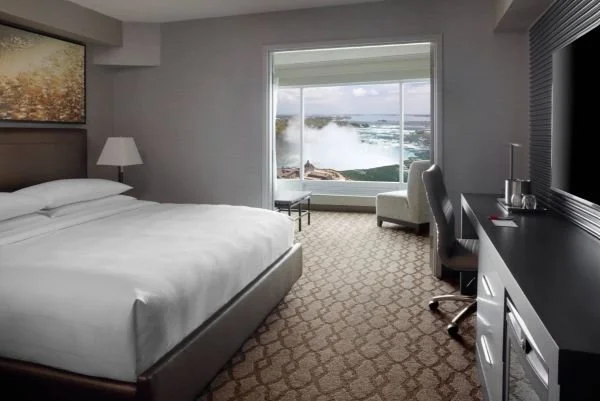
Image Courtesy of Niagara Falls Marriott Fallsview Hotel & Spa
Where to Stay
Where you stay in Niagara can help shape your whole experience. Choose Niagara Falls if you’d love to wake up to views of the Falls and be close to the main attractions, restaurants and entertainment. For a slower pace, Niagara-on-the-Lake offers charming inns, boutique hotels and relaxing spa stays, with wineries nearby. Whether you’re planning a romantic escape, a family trip or a weekend with friends, here are a few options to help you find your ideal base.
Niagara
· Marriott Niagara Falls Fallsview Hotel & Spa – 4-star hotel
Niagara Falls Marriott Fallsview Hotel & Spa is a good choice if waking up to a view of the Falls is part of your dream getaway. It makes it a convenient base for exploring, while the spa offers a chance to unwind after a day of sightseeing. For a romantic escape or a special occasion, it’s a place to slow down and make the view part of the experience.
· Oakes Hotel Overlooking the Falls – 3-star hotel
A practical option for travellers who want to stay close to Niagara’s main attraction while keeping more of their budget for dining and experiences. Located on Fallsview Boulevard, it offers rooms with impressive views of the Horseshoe and American Falls.
Niagara-on-the-Lake
· 124 on Queen Hotel & Spa – 5-star hotel
Great option for a relaxing stay in the heart of Niagara-on-the-Lake’s Old Town. Its location makes it easy to wander between charming shops, restaurants and historic streets, while the contemporary rooms offer a comfortable place to unwind. A highlight is the Spa at Q, where you can enjoy a hydrotherapy circuit with hot and cold pools, a sauna, a steam room and a snow room. With excellent dining on-site, it’s especially appealing for a romantic getaway or a weekend of food, wine and relaxation.
· Prince of Wales – 4-star hotel
It brings historic charm to a stay in the heart of Niagara-on-the-Lake. Its Victorian interiors and individually decorated rooms make it a lovely choice for a romantic getaway, while the central location puts shops, restaurants and historic streets within easy walking distance. Take time for traditional afternoon tea or unwind at the Secret Garden Spa.
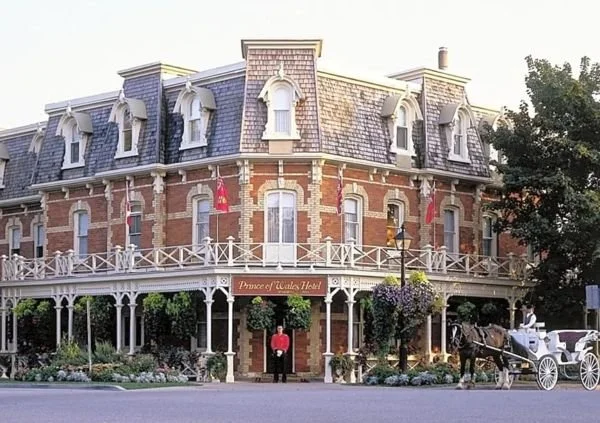
Image Courtesy of Prince of Wales Hotel
History and culture
Niagara's identity goes far beyond its waterfalls. The region brings together Indigenous heritage, early European settlement, the War of 1812, historic architecture, wine-making traditions and the development of modern tourism. Exploring these stories adds depth to a visit and helps you understand why Niagara became one of Canada's best-known destinations.
Indigenous heritage: Niagara’s history stretches back long before European settlement, with deep connections to Indigenous peoples, including the Haudenosaunee and Anishinaabe. The Niagara River was an important route for travel and trade, connecting communities across the region. These Indigenous cultures and connections to the land remain an important part of Niagara today.
European settlement and the War of 1812: Niagara’s location along the border put it at the centre of conflict during the War of 1812, fought between the United States and Britain and its allies. Fort George was a key military site, and American forces burned Niagara-on-the-Lake in 1813. The town was later rebuilt, creating much of the historic setting you can explore today.
How Niagara became a travel destination: Visitors have been drawn to the Falls for generations. As transportation improved during the 1800s, more people came to experience them, and hotels, parks and attractions grew around the waterfalls. Over time, Niagara became one of the world’s best-known travel destinations.
Wine and farming traditions: Niagara’s fertile soil and climate, shaped by the nearby lakes, helped its orchards and vineyards flourish. Today, you can experience that connection to the land through winery visits, roadside farm stands, local markets and seasonal food celebrations.
A cultural detail worth knowing: Niagara also has an important connection to the Underground Railroad, the network of routes and assistance that helped enslaved people escape to freedom. Nearby St. Catharines was a significant destination for freedom seekers, including Harriet Tubman, who helped people escape slavery. This is an important part of the region's Black history.
Historic and cultural places to visit
· Fort George National Historic Site: Explore reconstructed military buildings, historical demonstrations and stories from the War of 1812. Check seasonal opening hours and admission.
· Niagara-on-the-Lake Museum: Learn about the town's Indigenous roots, Black and Loyalist heritage, military history and evolution into a tourism destination.
· Landscape of Nations Memorial: A meaningful stop to learn about Indigenous contributions and sacrifices during the War of 1812.
· Niagara Parks Power Station: Discover how Niagara's water was harnessed to generate electricity and how engineering shaped the region's development.
Cultural celebrations & events
Shaw Festival (spring through fall, with holiday productions): One of Niagara-on-the-Lake’s signature cultural experiences, featuring plays, musicals and other live performances. It’s a lovely addition to a getaway built around dining and wine tasting.
Niagara Grape & Wine Festival (September): A celebration of the region’s harvest and winemaking culture, with wine experiences and festivities across Niagara. Some main events take place in nearby St. Catharines, so check locations when planning.
Niagara Icewine Festival (January): Discover one of the region’s most distinctive specialties through tastings, food pairings and special events. Niagara-on-the-Lake’s Icewine Village brings the celebration to Queen Street on selected January weekends.
Winter Festival of Lights (typically November to early January): Niagara Falls takes on a festive atmosphere with colourful outdoor light displays. Free to explore, it’s a lovely seasonal outing for families, couples and friends.
Dates and programming change each year, so check the official event calendars before booking your visit.
What to do in Niagara
Niagara Falls: the iconic experiences
See Horseshoe Falls from Table Rock: The essential first stop. The main public viewing area is free, although some nearby attractions require tickets. At night, the Falls are illuminated creating a completely different atmosphere. Check the official schedule for fireworks and special events.
Take a Niagara City Cruises boat tour: Get close to the Falls from the water. You'll likely get wet, so bring a waterproof phone pouch and expect mist.
Journey Behind the Falls: A fascinating blend of industrial heritage, architecture and immersive storytelling, with a tunnel leading toward the river's edge.
Explore the Niagara Parks Power Station: Spend a day on the water exploring the La Maddalena Archipelago. Charter a private boat, stop for a swim in secluded coves, and enjoy a picnic surrounded by some of the clearest water in Sardinia.
Explore Clifton Hill: The lively entertainment district has the Niagara SkyWheel, arcades, attractions and family-friendly fun. It's a very different experience from the natural beauty of the Falls.
Visit a winery: Relax at one of the many wineries. Book a tasting or guided experience, and arrange a designated driver or winery tour if you plan to drink.
Niagara-on-the-Lake
Wine tasting: Take time to explore Niagara-on-the-Lake’s wineries, where you can sample local wines, try the region’s signature Icewine and enjoy food pairings overlooking the vineyards. Château des Charmes, Trius, and Peller Estates are a few options to consider. Choose two or three for a relaxed afternoon, book your preferred experiences ahead and arrange a designated driver or a wine tour with transportation.
Wander Queen Street: Browse independent boutiques, historic buildings, cafés, bakeries and local shops. Allow at least 1–2 hours to enjoy the town rather than rushing through.
Stop by at Neob Lavender Flower Farm: the farm has lavender fields, colourful pick-your-own flower areas, and photo opportunities Wander through fragrant lavender fields and colourful flower gardens, take beautiful photos and pick your own bouquet when seasonal experiences are available. Lavender is generally in bloom from late June to mid-August.
Enjoy Queen's Royal Park: A lovely waterfront stop for peaceful views, photographs and a relaxing walk.
See a show at the Shaw Festival: A distinctive cultural experience for theatre lovers. Check the performance calendar and book tickets in advance.
Drive the Niagara Parkway: Enjoy river views, mature trees, gardens and scenic stopping points between Niagara Falls and Niagara-on-the-Lake.

Where to eat in Niagara
Niagara
Table Rock House Restaurant: A wonderful choice for pairing a meal with close-up views of the Horseshoe Falls. The menu highlights seasonal Ontario ingredients—ideal for making lunch or dinner part of your sightseeing experience.
AG Inspired Cuisine: For a romantic dinner or special occasion, this restaurant at Sterling Inn & Spa offers a seasonal farm-to-table menu, including ingredients grown on its own farm. A lovely option when the food is the focus of your evening.
Table Rock Bistro + Wine Bar: A more relaxed option with an open-air rooftop patio overlooking the Horseshoe Falls. Consider it for a scenic bite and a glass of local wine. Check seasonal opening hours before visiting.
Niagara-on-the-Lake
Trius Winery Restaurant: Make time for a leisurely wine-country meal featuring locally inspired dishes designed to complement Trius wines. A great addition to a day of winery visits.
The Winery Restaurant at Peller Estates: An elegant choice for travellers who want to make food and wine a highlight of their trip. Pair a winery experience with a meal here for a special afternoon or evening.
Treadwell Cuisine: Located in Old Town at 124 on Queen, Treadwell is a farm-to-table convenient choice for a more refined meal while exploring Niagara-on-the-Lake or staying nearby.
Bistro Six One: For something more casual, this Old Town bistro offers comfort food in an informal setting. A practical stop for a relaxed meal between shopping and sightseeing.
Wineries in Niagara
Cave Spring Vineyard: A lovely stop for Riesling lovers, with wines that showcase Niagara’s cool-climate character.
Tawse Winery: Enjoy a scenic hillside setting and discover wines shaped by organic and biodynamic farming practices.
Thirty Bench Wine Makers: Settle in for a relaxed tasting at this small winery on the Beamsville Bench, known for its Rieslings and beautiful vineyard views.
Hidden Bench Estate Winery: Explore organically grown, estate-made wines, with Pinot Noir, Chardonnay and Riesling at the heart of the experience.
Domaine Queylus: Discover a Niagara Escarpment winery focused on cool-climate wines, including Pinot Noir, Chardonnay, Cabernet Franc and Merlot.
Wineries in Niagara-on-the-Lake
Peller Estates: Enjoy wine tastings, vineyard dining and an inviting outdoor setting that’s especially lovely as the sun begins to set.
Trius Winery: Combine a wine tasting with a leisurely meal, where locally inspired dishes and a stylish setting make the experience feel special.
Château des Charmes: Soak up the French-inspired charm while enjoying wine and food pairings in a beautiful vineyard setting.
Two Sisters Vineyards: Settle in for an elegant wine-country experience, with impressive architecture, vineyard views and Italian-inspired dining.
Konzelmann Estate Winery: Discover Niagara’s lakeside wine country with a tasting at this estate on the shores of Lake Ontario.
Day trips from Niagara
Niagara makes a lovely starting point for exploring more of southern Ontario—or even crossing into the United States. If you have extra time, these nearby escapes offer a change of scenery, from quieter wine-country villages to a lively city break.
Jordan Village & the Niagara Benchlands (30-40 minutes by car): Stay within the Niagara region but explore beyond the Falls and Niagara-on-the-Lake. Browse independent boutiques in Jordan, enjoy a leisurely lunch and visit wineries around Vineland and Beamsville. It’s a lovely addition for travellers who want more wine-country scenery at a slower pace.
Hamilton (about 1 hour by car): A good choice for nature lovers, with waterfall viewpoints, wooded trails and Niagara Escarpment scenery. Combine an outdoor stop with lunch at one of the city’s independent restaurants. Check trail access and any reservation requirements before heading out.
Toronto (about 2 hours by car): Add a city break to your Niagara getaway, with neighbourhood exploring, museums, waterfront walks and city’s diverse food scene. Although you can visit for a day, staying a night or two gives you more time to enjoy the city without rushing. Allow plenty of flexibility for traffic when travelling between Toronto and Niagara.
Buffalo, New York (about 45 minutes by car, plus boarder crossing time): Cross the border for a different side of the region, with striking architecture, art, local neighbourhoods and the city’s famous Buffalo wings. It works well as a day trip or an overnight stop. Factor in border wait times and check the entry requirements for both countries before planning your visit.
Trips to add on
If you have a few extra days, Niagara is easy to include in a bigger Canadian adventure. Continue with a city break, unwind by a lake or head to Québec for a change of scenery and culture.
Muskoka: Slow things down in Ontario’s cottage country, where forest-lined lakes, cozy waterfront stays and canoe outings invite you to relax. Enjoy long summer days by the water or take in the autumn colours. It’s a great option for a road trip that also includes Toronto.
Montréal (about 1.5 hours by flight from Toronto): Spend a few days discovering neighbourhood cafés, browsing local markets and enjoying the city’s lively food scene. Between Old Montréal’s historic streets and its bustling modern neighbourhoods, there’s plenty to explore at your own pace.
Québec City (about 1.5–2 hours by flight from Toronto): With cobblestone streets, centuries-old buildings and inviting little boutiques, Québec City is a wonderful place to linger. Take your time exploring Old Québec and settling in for leisurely meals. Combine it with Montréal if you’d like to see more of the province.
Ottawa: Get to know Canada’s capital through its museums, historic landmarks and walks beside the Rideau Canal. It’s an appealing stop for anyone curious about Canadian history and culture, and an easy addition to a longer Ontario road trip.
If not Niagara… where to go?
If you love Niagara for its natural scenery, wine tasting, charming towns and memorable dining experiences, these destinations offer a similar appeal, each with its own personality.
Prince Edward County, Ontario: Spend a relaxed weekend browsing shops in Picton, stopping for winery lunches and enjoying the sandy beaches at Sandbanks. With boutique places to stay and plenty of small-town charm, it’s a great choice if you love the quieter side of Niagara-on-the-Lake.
The Okanagan Valley, British Columbia: Picture a morning by the lake, an afternoon visiting wineries and dinner with a beautiful view. Around Kelowna, you can enjoy vineyard scenery, good food and plenty of time outdoors—a lovely combination for a summer getaway.
The Finger Lakes, New York: You can easily fill your days here with lakeside wine tastings, scenic drives and waterfall walks. Explore the gorges around Watkins Glen and Ithaca, then settle in for a glass of local wine. It’s a good fit if you like balancing outdoor adventures with time to unwind.
Napa Valley, California: If your ideal trip includes winery visits, long lunches and a little spa time, Napa could be your next stop. Enjoy tastings among the vineyards, discover farm-to-table restaurants or book a meal aboard the Napa Valley Wine Train. It’s a lovely choice for a romantic escape or celebrating something special.
